
 0
0
 0
0
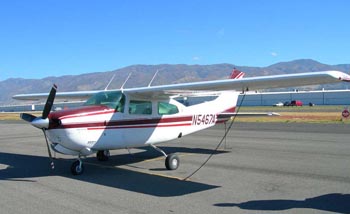
The Denver Post identifies the downed aircraft as a Cessna 210 Centurion registered to a Lyons, Colorado resident. No names have been released.
Larimer County Sheriff Press Release: 6.01 p.m.
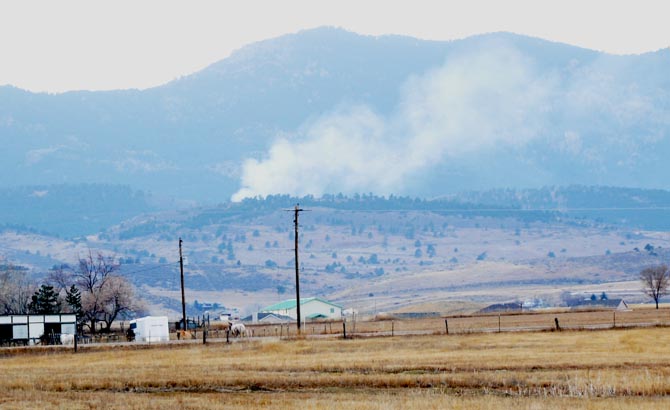
At approximately 2:45 PM on December 27, 2010, Larimer County Sheriff’s Office Dispatch Center received a report of a downed aircraft west of Carter Lake in Loveland which ignited a small fire. Emergency personnel responded to the area and found a single engine aircraft. One fatality has been confirmed by personnel at the scene.
Larimer County Emergency Services units report that the two-acre fire started by the downed aircraft is under control and in the mop-up stages. Units will remain on scene tonight.
The NTSB will be on scene tomorrow. The Larimer County Coroner’s Office will issue the identification and manner and cause of death of the fatality.
No further information will be released tonight.


20 June 1985
An open letter to:
1. The Chairman, National Transportation Safety Board
2. The Administrator, Federal Aviation Administration
Within the past several years our attention has been focused on unexplained engine failures in general aviation aircraft accidents. In researching some of these accidents, certain differences and similarities began to emerge. Some of the similarities now clearly indicate that water ingestion through the regular fuel system was the cause of many engine failures. This was surprising since the CAR's and FAR's under which these aircraft were certified provide for the positive removal of water from the fuel system before flight. Obviously, something is wrong.
A series of tests on some of these fuel systems was undertaken. Aircraft were tested in the field under real world conditions to determine how much water would be retained in the tanks after compliance with the manufacturers recommended methods of draining the system before flight. To date no aircraft has met the requirements of the regulations for fuel system design. All aircraft tested fail to meet the drain requirements of CAR 3.553, CAR 3.444 (c), FAR 23.971 (b), or FAR 23.999. Some fail to meet the venting, draining of compartments, and isolation requirements as well.
Aircraft tested to date are:
Cessna 177
Cessna 206
Cessna U206
Cessna T207
Cessna 182
PA-24-250
PA-23-150
In all cases excess water was retained in the tanks after intentional introduction of water into the tanks through the regular filler neck. The water was dyed for easier sighting and positive collection before introduction. In one case, as much as a gallon of water remained in the aircraft tanks after compliance with the Owner's Manual procedures for pre-flight. In all cases extraordinary methods for removal did not find and purge all the water from the systems.
Several 210 aircraft of varying vintages have been examined, post crash, and were found to have had water in excess amounts in the fuel system prior to the crash. This applies to those aircraft with integral tanks as well as those equipped with bladder tanks.